
How to Stop Rocking Your Baby to Sleep
Something I say to almost every parent stuck in a rocking loop:
Rocking is not the problem. The problem is that your baby has not learned how to fall asleep without it.
That shift in framing matters. If rocking is the problem, the fix is to just stop....which feels harsh and usually collapses within 2 nights anyway.
If the issue is a missing skill, the fix is teaching it. That is a different conversation.
Here is how to actually do it.
Before You Change Anything
Pulling the rocking before the foundations are in place tends to make things worse fast.
3 things need to be solid first.
1. A bedtime routine in the same order every night
Your baby’s brain needs a signal that sleep is coming. A consistent sequence of events, same order, same time, becomes that signal after roughly 5 to 7 days of repetition.
Bath, feed, dim lights, one book, sleep space. Simple and repeatable is the goal. Without it, removing the rocking just creates confusion.
2. A sleep environment that is properly set up
Blackout. White noise running all night, not just at the start.
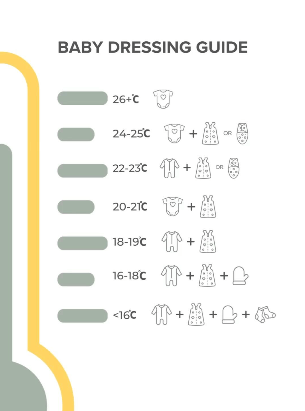
Room temperature around 16 to 20 degrees.
These matter more than most parents realise. They are the difference between a baby who surfaces between sleep cycles and rolls into the next one and a baby who fully wakes every time.
3. The right timing
Rocking a baby who is not actually tired enough yet is an uphill battle from the start.
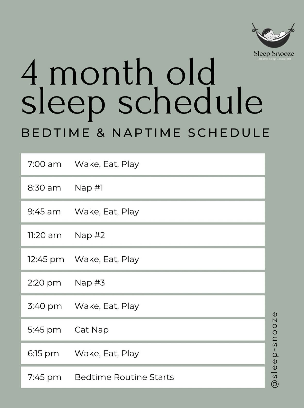
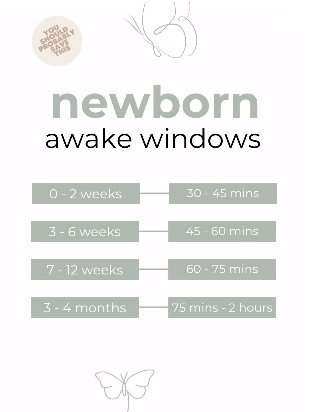
Check the wake window for your baby’s age. Getting the timing right makes everything that follows easier.
How to Reduce the Rocking, Step by Step
Where you start depends on how deep the habit goes and how your baby responds to change.
Step 1: Decouple the feed from the fall asleep moment
If you’re feeding right before rocking to sleep, move the feed earlier in the routine. Feed, a short wind-down, then into the sleep space.
That breaks the feed-sleep link without removing the feed itself. Small shift, meaningful impact.
Step 2: Put your baby down drowsy, not fully out
Still warm from being held. Still heavy lidded. But experiencing the last 20 to 30 seconds of going from awake to asleep in the cot rather than in your arms. That is the piece that changes everything.
It will feel wrong the first few nights. She will probably protest. Give it 5 to 7 nights of consistency before deciding it is not working.
Step 3: Reduce the motion gradually
If full rocking is the only thing that currently works, move in stages. Full rocking, then swaying in place, then stillness while holding, then putting down with a hand on her chest.
Each stage takes a few days. Do not skip stages.
Step 4: Stay present without providing the motion
You do not have to leave the room. Sitting beside the cot, your voice at a low steady level, your hand if needed, that is still support.
You are just shifting what the support looks like.
The Part Most Parents Get Wrong
They try the new approach for two or three nights, see protest, decide it is not working, and go back to rocking.
What has just happened: your baby has learned that if she protests long enough, rocking comes back. The bar for persistence just went up.
The first two or three nights of any sleep transition are almost always the hardest.
That is the adjustment period, not a sign of failure. Most families who hold the approach consistently see a real shift by night 4 or 5.
The nights that feel the hardest are usually the nights just before something shifts.
If She Cries No Matter What
Some crying during a sleep transition is normal. Your baby is communicating that something feels different. That is not the same as being distressed and abandoned.
If you are present, consistent, and calm, you are not leaving her to figure it out alone. You are there. You are just not providing the specific thing that has been the sleep cue until now.
When to Get Help
If you have tried a gradual approach consistently for 10 to 14 days and nights are still broken, there is usually something else underneath it. Timing issues. A schedule that is working against you. A pattern more layered than a simple association.
A generic approach applied to a specific situation rarely gets the full result. That is when a personalised plan makes a real difference.
If you have been doing the gradual steps and your baby is still treating the cot like a personal insult, it is time to stop guessing and get a proper plan.
I look at exactly what is driving it, build around your baby's age and your schedule, and get you out of the rocking loop for good.

Hi, Divya Sharma
I'm a pediatric sleep consultant dedicated to helping working moms with babies under 1 move from survival mode to feeling calm, confident and in control by teaching their baby to sleep with simple, flexible routines and giving them the structure they need to show up rested for work, life and themselves.



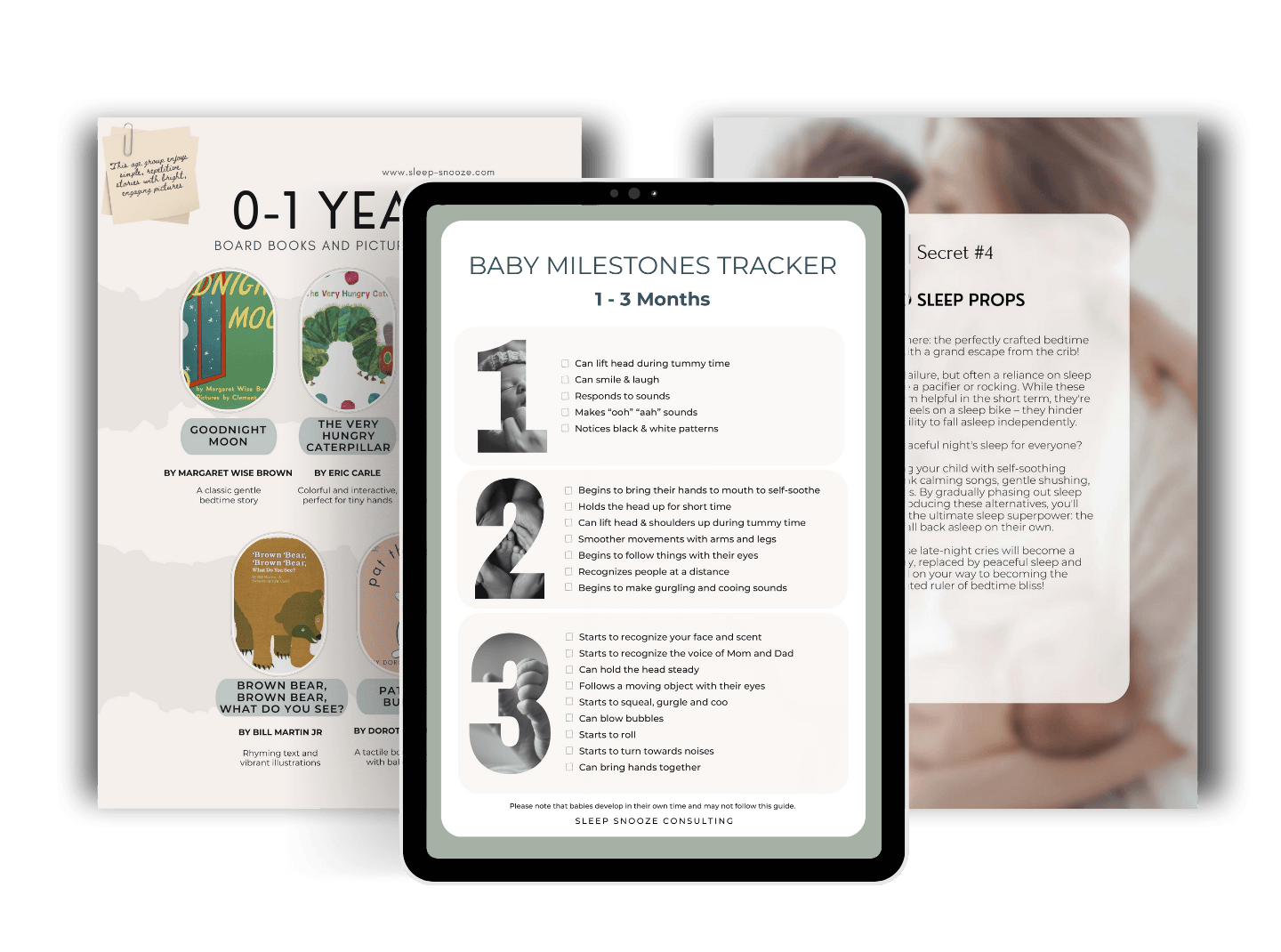
Grab The Easy Bedtime Starter Kit which includes:
The Bedtime Routine Checklist
5 Sleepy Secrets to Transform Bedtime
Curated Bedtime Booklist (Ages 0–5)
The Baby Milestones Tracker (0–12 Months)
And much more...






© 2026 Coaching by Divya FZE (No. 4310204.01). All Rights Reserved